50 Metaphors For Tongue With Meaning, Examples & Other Ways To Say
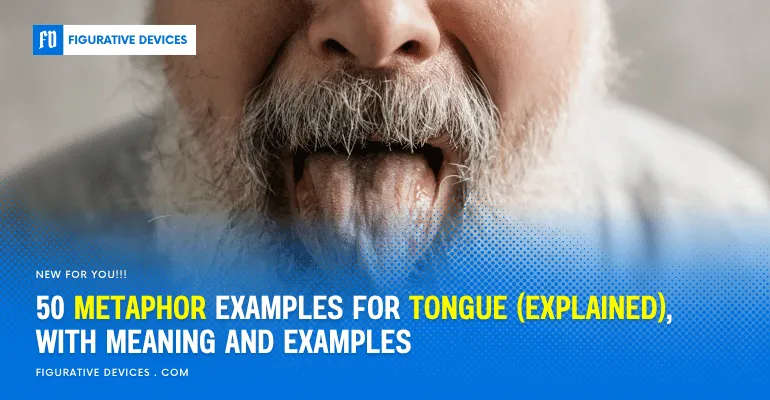

The metaphors for tongue are a flame on a wet match, a bridge of breath, a bell rope in the mouth, a small rudder for words, a red pen of speech, a seed drill for sentences, a doorway latch for language, a drumstick for syllables, a compass needle for taste, and a silk road for names.
A mouth opens, and 1 small tongue begins 3 jobs at once: it steers breath into speech, tests food into flavor, and carries names into the air. In daily talk, the tongue can soften a room, sharpen an argument, lift a joke, or lock itself into silence. These 50 tongue metaphors move from plain speech and taste to funny mouth images, short word pictures, long layered comparisons, and balanced tongue-and-teeth metaphors.
What are the metaphors for tongue?
The metaphors for tongue are a flame on a wet match, a bridge of breath, a bell rope in the mouth, a small rudder for words, a red pen of speech, a seed drill for sentences, a doorway latch for language, a drumstick for syllables, a compass needle for taste, and a silk road for names.
1. Tongue is a flame on a wet match
Meaning:
The tongue creates speech even when the mouth feels heavy, nervous, dry, or quiet.
Example:
During a 2-minute classroom answer, a nervous student starts slowly, then the tongue catches fire and the explanation becomes clear.
Other ways to say:
a spark of speech, a mouth-flame, a voice-starter, a talk-light, a word-ember, silence under ash, a quiet match
2. Tongue is a bridge of breath
Meaning:
The tongue connects breath to words and turns air into language.
Example:
In public speaking, breath leaves the lungs, the tongue shapes it, and the room receives a full sentence.
Other ways to say:
a speech bridge, a breath-path, a language crossing, a voice span, a word bridge, mute ground, silent gap
3. Tongue is a bell rope in the mouth
Meaning:
The tongue pulls sound into the open and makes speech ring.
Example:
A teacher calls 30 names in a morning roll call, and each name rings through the room because the tongue strikes the sound cleanly.
Other ways to say:
a mouth rope, a speech ringer, a voice cord, a word bell, a language pull, quiet bell, silent cord
4. Tongue is a small rudder for words
Meaning:
The tongue steers speech direction, tone, accent, and clarity.
Example:
A radio host pronounces 1 difficult city name correctly because the tongue guides each syllable into place.
Other ways to say:
a mouth rudder, a speech tiller, a word-steerer, a language fin, a voice guide, still mouth, speechless drift
5. Tongue is a red pen of speech
Meaning:
The tongue edits thought while speaking and marks meaning with tone.
Example:
In a meeting, a manager replaces a harsh phrase with a calmer phrase before it leaves the mouth.
Other ways to say:
a speech editor, a mouth pen, a word marker, a language corrector, a voice pencil, blank silence, unspoken page
6. Tongue is a seed drill for sentences
Meaning:
The tongue plants words in order so meaning grows in another mind.
Example:
A coach gives 5 clear instructions before practice, and each sentence plants a task in the players’ minds.
Other ways to say:
a sentence planter, a word sower, a speech drill, a language seed, a voice planter, barren silence, wordless soil
7. Tongue is a doorway latch for language
Meaning:
The tongue opens or closes speech, confession, apology, praise, and refusal.
Example:
A worker says “I made the error” after 10 seconds of silence, and the tongue unlocks the whole conversation.
Other ways to say:
a speech latch, a mouth lock, a language handle, a word door, a voice opener, closed lips, sealed silence
8. Tongue is a drumstick for syllables
Meaning:
The tongue beats rhythm into words and helps syllables sound sharp or soft.
Example:
A rapper delivers 16 bars, and the tongue taps consonants like quick drum hits.
Other ways to say:
a syllable stick, a mouth drummer, a speech beater, a word tapper, a rhythm tongue, silent drum, quiet beat
9. Tongue is a compass needle for taste
Meaning:
The tongue points the mouth toward sweet, sour, salty, bitter, and savory flavors.
Example:
A chef tastes 3 spoonfuls of soup and lets the tongue decide whether the broth needs salt.
Other ways to say:
a flavor compass, a taste needle, a mouth sensor, a palate guide, a savor finder, tasteless quiet, flavorless silence
10. Tongue is a silk road for names
Meaning:
The tongue carries names, greetings, accents, and identity across people.
Example:
At a conference badge table, 80 names pass from tongue to ear as strangers become contacts.
Other ways to say:
a name road, a speech route, a language trail, a voice path, a word caravan, nameless silence, quiet border
What are the best metaphors for tongue?
The best metaphors for tongue are a passport stamp for identity, a tuning fork for truth, a courtroom gavel of taste, a loom for living language, a lantern in the cave of the mouth, a pulse-reader of flavor, a hinge of conversation, a scalpel for meaning, a violin bow across silence, and a mapmaker of sound.
11. Tongue is a passport stamp for identity
Meaning:
The tongue reveals accent, origin, culture, habit, and personal style.
Example:
A traveler says 1 sentence at a hotel desk, and the accent gives the clerk clues about region and language background.
Other ways to say:
an accent stamp, a speech passport, a voice marker, a language seal, a mouth signature, anonymous silence, faceless quiet
12. Tongue is a tuning fork for truth
Meaning:
The tongue can make honesty sound clear when speech matches intent.
Example:
In a direct apology, a person says 7 plain words, and the tongue carries a tone that sounds sincere.
Other ways to say:
a truth fork, a voice tuner, a speech gauge, a language resonator, a word pitch, false quiet, hollow silence
13. Tongue is a courtroom gavel of taste
Meaning:
The tongue judges food quickly and gives a verdict through taste.
Example:
A food critic tastes 1 bite of steak and decides the seasoning is strong, balanced, or flat.
Other ways to say:
a taste judge, a flavor gavel, a palate verdict, a mouth referee, a savor court, tasteless bench, silent verdict
14. Tongue is a loom for living language
Meaning:
The tongue weaves words, tone, accent, and rhythm into speech.
Example:
A podcast host turns 4 notes into a smooth spoken story because the tongue threads each word into the next.
Other ways to say:
a language loom, a word weaver, a speech threader, a voice fabric, a mouth shuttle, mute cloth, silent thread
15. Tongue is a lantern in the cave of the mouth
Meaning:
The tongue brings hidden thought out of darkness and into spoken light.
Example:
During therapy, 1 honest sentence lights up a problem that stayed unnamed for months.
Other ways to say:
a mouth lantern, a speech lamp, a voice light, a language torch, a word glow, dark silence, unlit quiet
16. Tongue is a pulse-reader of flavor
Meaning:
The tongue senses the life and strength of flavor in food.
Example:
A baker tests dough after 12 hours of fermentation, and the tongue reads sweetness, salt, and tang.
Other ways to say:
a flavor reader, a taste pulse, a palate sensor, a mouth scanner, a savor meter, dead taste, flavor silence
17. Tongue is a hinge of conversation
Meaning:
The tongue turns thought into dialogue and keeps talk moving.
Example:
At a negotiation table, 1 careful sentence swings the discussion away from conflict and toward agreement.
Other ways to say:
a speech hinge, a talk joint, a language pivot, a voice turner, a word hinge, closed silence, locked quiet
18. Tongue is a scalpel for meaning
Meaning:
The tongue can cut speech precisely and separate exact meaning from confusion.
Example:
A lawyer uses 9 careful words in court, and each word narrows the legal point.
Other ways to say:
a meaning blade, a speech scalpel, a word knife, a language cutter, a voice edge, blunt silence, dull quiet
19. Tongue is a violin bow across silence
Meaning:
The tongue draws sound from silence with rhythm, pressure, and grace.
Example:
A singer warms up for 5 minutes, then the tongue and breath shape clear notes from a quiet mouth.
Other ways to say:
a speech bow, a voice bow, a word string, a language stroke, a mouth melody, silent string, quiet bow
20. Tongue is a mapmaker of sound
Meaning:
The tongue places sounds in the mouth and gives speech its route.
Example:
A child learning “r” and “l” needs tongue placement to map each sound correctly.
Other ways to say:
a sound mapper, a speech cartographer, a mouth guide, a language chart, a voice route, unmapped silence, wordless terrain
What are the funny metaphors for tongue?
The funny metaphors for tongue are a gymnastic slug in the mouth, a tiny carpet that reviews soup, a meat microphone with opinions, a snack detective in a red coat, a slippery fish at a speech contest, a mouth noodle with manners, a ketchup inspector on overtime, a gossip treadmill behind the teeth, a waffle flipper for words, and a flavor bouncer at the throat door.
21. Tongue is a gymnastic slug in the mouth
Meaning:
The tongue bends, curls, flips, and moves fast during speech and eating.
Example:
A dentist asks a patient to lift the tongue, and the small muscle performs 3 awkward movements at once.
Other ways to say:
a mouth acrobat, a speech slug, a flexible talker, a word gymnast, a palate climber, stiff silence, frozen quiet
22. Tongue is a tiny carpet that reviews soup
Meaning:
The tongue lies flat, receives food, and gives an instant flavor opinion.
Example:
At dinner, 1 spoon of soup lands on the tongue, and the mouth knows the broth needs pepper.
Other ways to say:
a soup critic, a taste carpet, a mouth mat, a flavor reviewer, a palate rug, tasteless floor, silent plate
23. Tongue is a meat microphone with opinions
Meaning:
The tongue broadcasts thoughts with attitude, humor, complaint, or praise.
Example:
A customer takes 1 bite of a sandwich and announces, “That pickle saved it.”
Other ways to say:
a mouth mic, a speech microphone, a talking muscle, a word speaker, a voice amplifier, muted mic, silent speaker
24. Tongue is a snack detective in a red coat
Meaning:
The tongue investigates food and identifies flavor details.
Example:
A child tastes a cookie and detects cinnamon before anyone reads the ingredient label.
Other ways to say:
a flavor detective, a taste inspector, a palate sleuth, a mouth investigator, a savor scout, flavor blindness, silent clue
25. Tongue is a slippery fish at a speech contest
Meaning:
The tongue sometimes slips during fast speaking and creates mistakes.
Example:
A presenter says 1 wrong word during a 10-slide talk, laughs, and corrects the sentence.
Other ways to say:
a speech fish, a word slipper, a mouth flopper, a language splash, a voice wobble, still silence, dry quiet
26. Tongue is a mouth noodle with manners
Meaning:
The tongue looks silly but performs polite speech, tasting, and swallowing.
Example:
At a formal dinner, the tongue handles hot soup, small talk, and 2 polite compliments.
Other ways to say:
a speech noodle, a polite tongue, a mouth ribbon, a word noodle, a taste strand, rude silence, stiff quiet
27. Tongue is a ketchup inspector on overtime
Meaning:
The tongue notices condiments, sauces, and strong flavors immediately.
Example:
At a burger shop, the tongue catches extra ketchup before the first full bite ends.
Other ways to say:
a sauce inspector, a flavor auditor, a taste checker, a palate worker, a mouth tester, sauce silence, bland quiet
28. Tongue is a gossip treadmill behind the teeth
Meaning:
The tongue can keep talk running too long when speech lacks restraint.
Example:
In an office break room, 1 rumor turns into 12 minutes of nonstop talk.
Other ways to say:
a chatter wheel, a speech treadmill, a talk runner, a word machine, a mouth conveyor, restrained silence, locked lips
29. Tongue is a waffle flipper for words
Meaning:
The tongue flips words quickly, especially during casual talk and jokes.
Example:
A comedian turns 1 awkward pause into a funny comeback with fast tongue movement.
Other ways to say:
a word flipper, a speech spatula, a mouth turner, a talk tosser, a language flicker, flat silence, still quiet
30. Tongue is a flavor bouncer at the throat door
Meaning:
The tongue allows good flavors forward and rejects unpleasant tastes.
Example:
A person tastes spoiled milk and the tongue blocks the swallow in less than 1 second.
Other ways to say:
a taste bouncer, a throat guard, a palate doorman, a flavor gatekeeper, a mouth sentinel, open silence, unguarded quiet
What are the short metaphors for tongue?
The short metaphors for tongue are a taste key, a word spark, a speech blade, a flavor flag, a mouth rudder, a sound hinge, a word wick, a taste net, a silence cutter, and a breath brush.
31. Tongue is a taste key
Meaning:
The tongue unlocks flavor in food.
Example:
One bite of mango opens sweetness, acidity, and aroma at once.
Other ways to say:
a flavor key, a palate opener, a mouth key, a savor lockpick, a taste opener, locked silence, closed taste
32. Tongue is a word spark
Meaning:
The tongue ignites speech from thought.
Example:
A debate answer begins with 1 sharp word and grows into a full argument.
Other ways to say:
a speech spark, a voice flash, a language ember, a mouth flare, a talk spark, cold silence, dim quiet
33. Tongue is a speech blade
Meaning:
The tongue can make words sharp, exact, or cutting.
Example:
A critic uses 6 precise words to expose the weak point in a film review.
Other ways to say:
a word blade, a voice edge, a mouth knife, a language cutter, a sharp tongue, soft silence, blunt quiet
34. Tongue is a flavor flag
Meaning:
The tongue signals what the mouth tastes.
Example:
After 1 sip of coffee, the tongue raises a bitter flag before the person adds sugar.
Other ways to say:
a taste flag, a palate signal, a mouth banner, a savor sign, a flavor marker, flavorless quiet, lowered silence
35. Tongue is a mouth rudder
Meaning:
The tongue steers speech inside the mouth.
Example:
A language learner improves pronunciation by moving the tongue 2 millimeters closer to the teeth.
Other ways to say:
a speech rudder, a word rudder, a voice fin, a language tiller, a mouth guide, speechless drift, silent water
36. Tongue is a sound hinge
Meaning:
The tongue helps sounds open, close, and connect.
Example:
The sounds “t,” “d,” and “n” need the tongue near the teeth to form clearly.
Other ways to say:
a speech hinge, a mouth joint, a voice pivot, a word hinge, a language hinge, closed quiet, sealed silence
37. Tongue is a word wick
Meaning:
The tongue carries speech like a wick carries flame.
Example:
A single phrase in a speech spreads through a crowd because the tongue lights it cleanly.
Other ways to say:
a speech wick, a voice fuse, a language cord, a mouth thread, a word flame, unlit silence, cold quiet
38. Tongue is a taste net
Meaning:
The tongue catches tiny flavor details.
Example:
A tea taster catches smoke, citrus, and tannin in 1 sip.
Other ways to say:
a flavor net, a palate mesh, a mouth catcher, a savor trap, a taste screen, missed flavor, silent palate
39. Tongue is a silence cutter
Meaning:
The tongue breaks quiet with speech.
Example:
After 20 seconds of awkward silence, 1 person says “Let’s start again,” and the room relaxes.
Other ways to say:
a quiet cutter, a speech knife, a voice opener, a word edge, a mouth blade, sealed quiet, whole silence
40. Tongue is a breath brush
Meaning:
The tongue paints breath into shaped sounds.
Example:
A narrator reads 1 page aloud, and the tongue brushes breath into clean consonants.
Other ways to say:
a speech brush, a voice brush, a mouth painter, a word bristle, a language brush, blank silence, unpainted quiet
What are the long metaphors for tongue?
The long metaphors for tongue are a red sail steering breath through the harbor of the mouth, a soft blacksmith shaping hot thought into spoken metal, a living stamp pressing taste, accent, and intent onto every word, a wet conductor guiding teeth, lips, breath, and throat into speech, and a narrow riverbank where flavor, language, and silence trade places.
41. Tongue is a red sail steering breath through the harbor of the mouth
Meaning:
The tongue guides breath through the mouth and gives spoken words direction.
Example:
A sports commentator speaks for 90 minutes, and the tongue keeps breath, pace, and pronunciation moving through every play.
Other ways to say:
a breath sail, a speech sail, a mouth harbor guide, a voice canvas, a language sail, windless silence, anchored quiet
42. Tongue is a soft blacksmith shaping hot thought into spoken metal
Meaning:
The tongue turns raw thought into firm, audible speech.
Example:
A founder pitches a business idea in 3 minutes, and the tongue hammers scattered thoughts into clear claims.
Other ways to say:
a speech blacksmith, a word smith, a voice forge, a mouth hammer, a language anvil, unshaped silence, cold quiet
43. Tongue is a living stamp pressing taste, accent, and intent onto every word
Meaning:
The tongue marks speech with personal accent and marks food with flavor judgment.
Example:
A chef says “too smoky” after tasting a sauce, and the tongue stamps both flavor and opinion into 2 words.
Other ways to say:
a speech stamp, a flavor seal, a voice imprint, a mouth mark, a language stamp, blank silence, unstamped quiet
44. Tongue is a wet conductor guiding teeth, lips, breath, and throat into speech
Meaning:
The tongue coordinates mouth parts so sound becomes organized language.
Example:
A voice coach trains a client to place the tongue, lips, and breath correctly for 5 hard consonants.
Other ways to say:
a speech conductor, a mouth maestro, a language director, a voice guide, a word organizer, silent orchestra, quiet baton
45. Tongue is a narrow riverbank where flavor, language, and silence trade places
Meaning:
The tongue sits between eating, speaking, and staying quiet; it controls all 3 exchanges.
Example:
At a family dinner, the tongue tastes stew, speaks thanks, then pauses before a sensitive topic.
Other ways to say:
a mouth riverbank, a speech shore, a flavor crossing, a language bank, a silence border, dry quiet, tasteless stillness
What are the metaphors for tongue & metaphors for teeth?
The metaphors for tongue and teeth are the envoy and the border guards, the dancer and the marble stage gates, the brush and the white fence it paints around, the messenger and the locked city wall, and the chef’s spoon and the millstones.
46. Tongue is the envoy, and teeth are the border guards
Meaning:
The tongue carries messages, and the teeth guard, frame, or stop those messages.
Example:
During a tense meeting, a person holds 1 sharp comment behind the teeth before the tongue sends it out.
Other ways to say:
a speech envoy and mouth guards, a voice messenger and white sentries, a language carrier and dental gatekeepers, a word ambassador and bite border, open talk and closed silence
47. Tongue is the dancer, and teeth are the marble stage gates
Meaning:
The tongue moves with agility, while the teeth create a firm boundary for sound and bite.
Example:
When someone says “thirty-three,” the tongue dances against the teeth to make the sound clear.
Other ways to say:
a mouth dancer and enamel gates, a speech dancer and white doors, a word mover and tooth frame, a voice performer and bite pillars, lively talk and rigid quiet
48. Tongue is the brush, and teeth are the white fence it paints around
Meaning:
The tongue shapes sound and cleans around teeth; the teeth provide structure.
Example:
After eating spinach, the tongue checks the teeth before a person smiles in a group photo.
Other ways to say:
a mouth brush and white fence, a speech brush and dental rails, a palate painter and enamel wall, a word bristle and bite posts, clean talk and stained silence
49. Tongue is the messenger, and teeth are the locked city wall
Meaning:
The tongue wants to speak, and the teeth can restrain speech.
Example:
A player nearly argues with a referee, then keeps the tongue behind the teeth and avoids a penalty.
Other ways to say:
a voice messenger and tooth wall, a speech runner and enamel gate, a word carrier and bite barrier, a language courier and closed mouth, spoken message and sealed silence
50. Tongue is the chef’s spoon, and teeth are the millstones
Meaning:
The tongue tastes and moves food, while the teeth grind food into pieces.
Example:
During breakfast, the tongue spreads jam flavor across the mouth while the teeth crush toast into small bites.
Other ways to say:
a taste spoon and grinding stones, a palate spoon and chewing mills, a mouth taster and enamel grinders, a flavor ladle and bite stones, tasted speech and crushed quiet