50 Idioms For Eyes With Meaning, Examples & Other Ways To Say
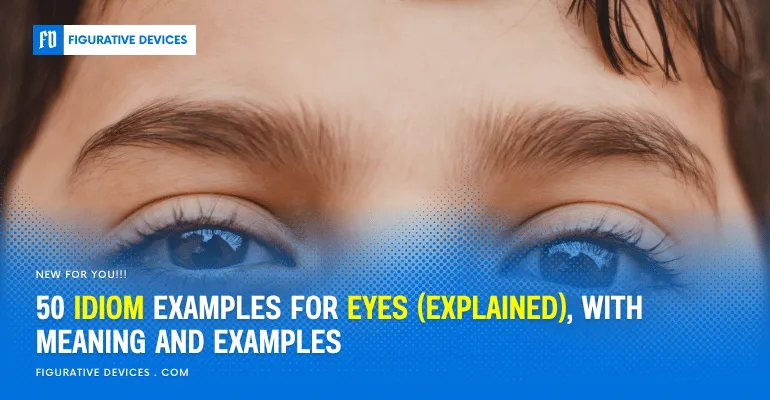

At 7:10 a.m., a city opened its eyelids through office glass, traffic mirrors, phone screens, shop windows, and camera lenses. Every gaze carried a job: one pair of eyes caught a missed invoice, another read a face across a meeting table, another spotted danger before a horn sounded, and another blinked through laughter after a long shift. These 50 original idioms for eyes turn sight, gaze, vision, stare, blink, focus, and watchfulness into vivid figurative language for daily speech, workplace talk, storytelling, and expressive writing.
What are the idioms for eyes?
The idioms for eyes are lantern eyes in a fog, window-clean eyes, two moons on duty, glass-door gaze, corner-catching eyes, saltwater stare, needlepoint vision, clockface eyes, rain-on-glass eyes, and keyhole focus.
Lantern eyes in a fog
Meaning: Eyes that stay alert when a situation feels unclear, risky, or confusing.
Example: During the night power outage, the building supervisor used lantern eyes in a fog and guided 18 tenants down the stairwell.
Other ways to say: sharp gaze, clear sight, watchful vision, bright stare, open eyes, blind patch, closed look, dim view.
Window-clean eyes
Meaning: Eyes that notice truth without confusion, bias, or emotional dust.
Example: The auditor brought window-clean eyes to the 42-page report and found 3 duplicate payments.
Other ways to say: clear gaze, clean sight, honest vision, polished stare, fresh eyes, clouded view, blurred look, blind angle.
Two moons on duty
Meaning: A pair of eyes that keeps calm watch during quiet or late hours.
Example: The night guard had two moons on duty while the warehouse cameras covered the loading bay.
Other ways to say: steady gaze, night vision, calm stare, watchful eyes, careful sight, shut eyes, dark view, sightless look.
Glass-door gaze
Meaning: A look that seems transparent because it reveals emotion quickly.
Example: In the interview, the candidate’s glass-door gaze showed confidence before the first answer ended.
Other ways to say: open gaze, visible feeling, clear stare, readable eyes, honest look, hidden face, closed gaze, blank view.
Corner-catching eyes
Meaning: Eyes that notice small movement or detail at the edge of attention.
Example: The driver’s corner-catching eyes spotted a cyclist near the side mirror before the turn.
Other ways to say: side vision, quick gaze, peripheral sight, alert stare, wide eyes, tunnel view, blind side, narrow look.
Saltwater stare
Meaning: Eyes filled with strong feeling, grief, relief, or deep memory.
Example: After the rescue team found the missing dog, the owner had a saltwater stare and thanked every volunteer.
Other ways to say: tearful gaze, wet eyes, emotional look, soft vision, heavy stare, dry glare, blank eyes, cold view.
Needlepoint vision
Meaning: Extremely precise attention to tiny details.
Example: The jeweler used needlepoint vision to set a 2-millimeter stone into the ring.
Other ways to say: exact sight, fine gaze, focused vision, detailed stare, keen eyes, blurry view, careless look, blind spot.
Clockface eyes
Meaning: Eyes that show urgency, pressure, or strict awareness of time.
Example: The train conductor had clockface eyes when the platform clock hit 8:59.
Other ways to say: timed gaze, urgent stare, alert vision, punctual look, watchful eyes, lazy glance, sleepy view, closed eyes.
Rain-on-glass eyes
Meaning: Eyes that look dreamy, reflective, or full of quiet thoughts.
Example: During the long bus ride, the student had rain-on-glass eyes while reviewing the final exam notes.
Other ways to say: dreamy gaze, reflective sight, soft stare, misty eyes, distant vision, sharp glare, dry look, empty view.
Keyhole focus
Meaning: Narrow, intense attention on 1 important thing.
Example: The surgeon kept keyhole focus during the 6-hour operation and ignored every background noise.
Other ways to say: narrow gaze, fixed sight, centered vision, locked stare, focused eyes, scattered look, wide blur, blind drift.
What are the best idioms for eyes?
The best idioms for eyes are lighthouse eyes, diamond-slit gaze, map-reader eyes, candle-beam vision, truth-mirror stare, storm-shelter eyes, receipt-reading eyes, horizon-hungry eyes, silver-thread sight, and firefly focus.
Lighthouse eyes
Meaning: Eyes that guide others through danger, confusion, or pressure.
Example: The team lead used lighthouse eyes during the server outage and directed 5 engineers toward the fix.
Other ways to say: guiding gaze, protective sight, steady vision, bright eyes, warning stare, blind drift, dark look, closed view.
Diamond-slit gaze
Meaning: A sharp, narrow look that cuts through excuses or weak details.
Example: The principal gave a diamond-slit gaze after 2 students gave matching late slips.
Other ways to say: sharp stare, cutting gaze, narrow sight, piercing vision, keen look, soft glance, blurry eyes, blind trust.
Map-reader eyes
Meaning: Eyes that understand direction, layout, pattern, or structure fast.
Example: The architect used map-reader eyes and found the hallway problem in the first blueprint review.
Other ways to say: spatial gaze, pattern sight, planning vision, directional eyes, layout stare, lost look, blind route, confused view.
Candle-beam vision
Meaning: Gentle but useful attention that helps in a small, difficult moment.
Example: The nurse used candle-beam vision to read a faded medication label at 3 a.m.
Other ways to say: gentle gaze, soft sight, careful vision, quiet stare, helpful eyes, harsh glare, dark view, shut look.
Truth-mirror stare
Meaning: A look that makes dishonesty hard to hide.
Example: During the contract meeting, the lawyer’s truth-mirror stare made the vendor correct the delivery date.
Other ways to say: honest gaze, direct sight, clear stare, revealing eyes, straight look, false glance, clouded view, blind cover.
Storm-shelter eyes
Meaning: Eyes that make others feel safe during panic or conflict.
Example: The paramedic’s storm-shelter eyes calmed the injured runner beside the marathon route.
Other ways to say: calm gaze, safe sight, steady vision, reassuring stare, warm eyes, nervous look, harsh glare, blind panic.
Receipt-reading eyes
Meaning: Eyes that catch hidden numbers, costs, mistakes, or proof.
Example: The restaurant manager’s receipt-reading eyes found a 12% billing error before closing.
Other ways to say: accounting gaze, number sight, proof-focused vision, exact stare, checking eyes, careless glance, blurred view, blind count.
Horizon-hungry eyes
Meaning: Eyes full of ambition, curiosity, or desire for a bigger future.
Example: The young founder had horizon-hungry eyes while pitching the 3-year expansion plan.
Other ways to say: ambitious gaze, forward sight, future vision, eager stare, searching eyes, small view, blind limit, closed outlook.
Silver-thread sight
Meaning: Eyes that connect small clues into 1 clear meaning.
Example: The detective used silver-thread sight and linked 4 separate witness statements.
Other ways to say: clue gaze, connected vision, careful sight, linking stare, observant eyes, broken view, blind gap, scattered look.
Firefly focus
Meaning: Quick bursts of attention that catch small bright details.
Example: The photographer’s firefly focus caught 6 perfect street shots before sunset.
Other ways to say: quick gaze, bright sight, flashing vision, alert stare, lively eyes, dull look, blind miss, slow glance.
What are the funny idioms for eyes?
The funny idioms for eyes are saucer eyes at supper, pickle-jar stare, popcorn-blink eyes, two nosy marbles, banana-peel glance, pancake-flat stare, sneeze-ready eyes, sock-drawer vision, fishbowl focus, and button-eyed panic.
Saucer eyes at supper
Meaning: Huge surprised eyes, often caused by food, gossip, or unexpected news.
Example: At dinner, the intern had saucer eyes at supper after hearing the bonus numbers.
Other ways to say: wide eyes, shocked gaze, round stare, surprised sight, open look, narrow glance, dull view, closed eyes.
Pickle-jar stare
Meaning: A stubborn look that refuses to open up or change.
Example: The toddler gave a pickle-jar stare when the dentist asked for 10 seconds of stillness.
Other ways to say: stubborn gaze, tight stare, fixed eyes, resistant look, hard sight, open expression, soft glance, flexible view.
Popcorn-blink eyes
Meaning: Eyes that blink quickly from excitement, nerves, or confusion.
Example: The quiz contestant had popcorn-blink eyes when the host read the final question.
Other ways to say: rapid blink, nervous gaze, excited eyes, jumpy stare, fluttering sight, still look, steady vision, calm eyes.
Two nosy marbles
Meaning: Eyes that appear comically curious or overly interested.
Example: The office dog had two nosy marbles when the lunch bags opened.
Other ways to say: curious eyes, prying gaze, round stare, interested look, searching sight, uninterested view, blind indifference, flat glance.
Banana-peel glance
Meaning: A quick look that causes a comic mistake or awkward reaction.
Example: The waiter gave a banana-peel glance at the scoreboard and poured tea into the wrong cup.
Other ways to say: distracted gaze, slippery look, awkward stare, clumsy sight, loose glance, focused vision, steady eyes, clear view.
Pancake-flat stare
Meaning: A completely unimpressed, emotionless look.
Example: The cat gave a pancake-flat stare after the expensive toy rolled under the sofa.
Other ways to say: blank stare, flat gaze, dull eyes, dry look, expressionless sight, bright gaze, lively eyes, amused vision.
Sneeze-ready eyes
Meaning: Squinty, watery eyes before surprise, laughter, or irritation.
Example: The mechanic had sneeze-ready eyes after opening the dusty engine filter.
Other ways to say: watery gaze, squinting sight, irritated eyes, blinking stare, wet look, dry eyes, clear vision, calm gaze.
Sock-drawer vision
Meaning: Messy eyesight or confused attention that misses what sits in plain view.
Example: The teenager used sock-drawer vision and failed to find the charger on the desk.
Other ways to say: messy gaze, confused sight, cluttered vision, lost stare, blind spot, clear eyes, sharp view, tidy focus.
Fishbowl focus
Meaning: A wide-eyed look of being watched, trapped, or awkwardly exposed.
Example: The new employee had fishbowl focus during the first video call with 22 attendees.
Other ways to say: exposed gaze, round eyes, nervous stare, public look, trapped vision, private glance, hidden view, closed eyes.
Button-eyed panic
Meaning: Small, fixed, frightened eyes during a sudden problem.
Example: The cashier had button-eyed panic when the payment system froze with 14 customers waiting.
Other ways to say: scared gaze, tiny stare, frozen eyes, panicked look, tense sight, relaxed vision, calm eyes, open confidence.
What are the short idioms for eyes?
The short idioms for eyes are blink steel, gaze glue, sight sparks, pupil pulse, stare stone, iris alarm, vision hooks, eye hush, look lock, and glance grit.
Blink steel
Meaning: The strength to stay composed under pressure.
Example: The goalkeeper showed blink steel during the penalty shootout and saved 2 kicks.
Other ways to say: firm eyes, steady gaze, strong stare, controlled sight, focused vision, weak glance, shaky look, blind fear.
Gaze glue
Meaning: A look that sticks to 1 subject and refuses distraction.
Example: The coder used gaze glue while fixing the checkout bug before midnight.
Other ways to say: fixed gaze, locked eyes, steady sight, attached vision, focused stare, wandering look, loose glance, blind drift.
Sight sparks
Meaning: Quick signs of interest, intelligence, or excitement in the eyes.
Example: The science teacher saw sight sparks when the class built a working circuit.
Other ways to say: bright eyes, lively gaze, eager stare, alert vision, excited look, dull eyes, flat glance, blind boredom.
Pupil pulse
Meaning: A visible flash of emotion in the eyes.
Example: The negotiator noticed a pupil pulse when the buyer heard the lower price.
Other ways to say: emotional gaze, eye flash, feeling stare, reactive sight, live eyes, blank look, cold vision, dead stare.
Stare stone
Meaning: A hard, unmoving look.
Example: The referee gave a stare stone after the defender argued for 30 seconds.
Other ways to say: hard stare, fixed gaze, stone eyes, rigid look, frozen sight, soft eyes, warm glance, flexible view.
Iris alarm
Meaning: Eyes that signal danger before words arrive.
Example: The lifeguard’s iris alarm activated when 2 swimmers drifted past the marker.
Other ways to say: warning eyes, alert gaze, danger stare, urgent sight, sharp vision, calm glance, blind ease, sleepy look.
Vision hooks
Meaning: Eyes that catch and hold attention.
Example: The keynote speaker had vision hooks from the first slide to the final statistic.
Other ways to say: gripping gaze, holding stare, magnetic eyes, catching sight, strong look, loose glance, dull view, blind pass.
Eye hush
Meaning: A silent look that asks for quiet or restraint.
Example: The librarian gave an eye hush when the phone rang near the study tables.
Other ways to say: quiet gaze, silent stare, warning look, restrained eyes, calm sight, loud glance, open glare, noisy expression.
Look lock
Meaning: Direct eye contact that creates commitment, tension, or trust.
Example: The coach used look lock before the final round and gave the boxer 3 clear instructions.
Other ways to say: locked gaze, direct sight, fixed eyes, firm stare, steady look, broken glance, blind avoidance, loose view.
Glance grit
Meaning: Determination shown through a quick, tough look.
Example: The runner showed glance grit at kilometer 39 and kept pace.
Other ways to say: determined eyes, tough gaze, gritty stare, focused sight, hard look, weak glance, blurred resolve, blind quit.
What are the long idioms for eyes?
The long idioms for eyes are eyes like windows washed by lightning, a gaze that counts the cracks in silence, two lamps guarding the last road, a stare stitched from smoke and steel, and vision that keeps 10 doors open.
Eyes like windows washed by lightning
Meaning: Eyes that become suddenly clear after a shock, discovery, or realization.
Example: The accountant had eyes like windows washed by lightning after finding the missing $8,000 entry.
Other ways to say: awakened gaze, clear sight, shocked vision, bright stare, opened eyes, clouded look, blind delay, dull view.
A gaze that counts the cracks in silence
Meaning: A quiet look that studies problems in deep detail.
Example: The safety inspector had a gaze that counts the cracks in silence while checking the bridge joints.
Other ways to say: detailed gaze, quiet sight, inspecting eyes, measuring stare, careful vision, careless glance, blind scan, noisy look.
Two lamps guarding the last road
Meaning: Eyes that protect a final chance, final route, or important decision.
Example: The mountain guide had two lamps guarding the last road when the weather closed 3 trails.
Other ways to say: protective eyes, guiding gaze, alert sight, guarding vision, steady stare, blind path, dark look, closed view.
A stare stitched from smoke and steel
Meaning: A look that mixes mystery, toughness, and emotional control.
Example: The boxing coach carried a stare stitched from smoke and steel before announcing the final lineup.
Other ways to say: tough gaze, smoky eyes, controlled stare, guarded vision, hard look, open expression, soft glance, clear face.
Vision that keeps 10 doors open
Meaning: Flexible eyesight or judgment that sees many options at once.
Example: The product manager used vision that keeps 10 doors open and turned 1 failed launch into 4 useful tests.
Other ways to say: flexible vision, wide gaze, open sight, option-seeing eyes, strategic stare, tunnel view, blind limit, closed look.
What are the idioms for eyes & idioms for ears?
The idioms for eyes and ears are eyes on the spark, ears on the echo, window eyes, drum ears, two lenses and two bells, gaze catches, hearing stitches, and watch with the eyes, weigh with the ears.
Eyes on the spark, ears on the echo
Meaning: Full awareness that notices both the first visible clue and the later spoken clue.
Example: The firefighter kept eyes on the spark, ears on the echo while checking the apartment hallway and radio updates.
Other ways to say: alert sight and hearing, sharp gaze and listening, watchful eyes and open ears, clear vision and sound sense, blind spot and deaf corner, closed eyes and blocked ears.
Window eyes, drum ears
Meaning: A person who sees clearly and hears every important signal.
Example: The courtroom clerk used window eyes, drum ears while recording 26 minutes of testimony.
Other ways to say: clear gaze and keen hearing, open eyes and tuned ears, bright sight and sharp listening, blind view and muffled hearing, closed look and deaf silence.
Two lenses and two bells
Meaning: Balanced attention through sight and sound.
Example: The train operator worked with two lenses and two bells during the morning rush.
Other ways to say: balanced vision and hearing, paired gaze and listening, watchful eyes and alert ears, blind angle and silent gap, shut eyes and blocked ears.
Gaze catches, hearing stitches
Meaning: Eyes find the clue, and ears connect the clue to meaning.
Example: The reporter used gaze catches, hearing stitches during the press briefing and wrote an accurate 900-word article.
Other ways to say: observant eyes and careful ears, focused sight and active listening, clue gaze and sound memory, blind miss and deaf break, blurred view and lost hearing.
Watch with the eyes, weigh with the ears
Meaning: Judge a situation by both visible action and spoken detail.
Example: The hiring manager watched with the eyes, weighed with the ears during 8 interviews and chose the strongest candidate.
Other ways to say: see and listen, gaze and evaluate, sight and hearing together, eyes and ears aligned, blind judgment and deaf guess, closed eyes and silent ears.