50 Metaphors For Eyes With Meaning, Examples & Other Ways To Say
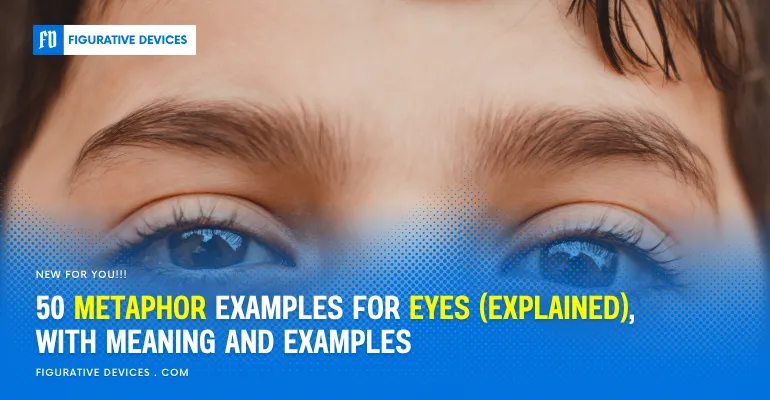

At 6:10 a.m., a street vendor unlocks a metal shutter, a schoolboy rubs sleep from 2 tired eyes, and an old guard studies the road before traffic begins. In each face, the eyes do more than see; they measure trust, carry memory, reveal worry, catch light, guard silence, and send emotion before the mouth speaks. These 50 metaphors for eyes move from poetic eyes to best eyes, funny eyes, short eyes, long eyes, and paired eyes-and-ears images, each with meaning, a real-world example, and other ways to say the image with gaze, sight, vision, glance, stare, lids, blindness, darkness, and closed-eye contrast.
Listical: 50 Metaphors For Eyes
- Lanterns of the Face
- Weather Vanes of the Heart
- Ink Wells of Memory
- Moonlit Doors
- Truth Windows
- Twin Compasses
- Quiet Cameras
- Small Harbors
- Signal Fires
- Mirrors With a Pulse
- Soul’s Skylights
- Living Maps
- Truth Beacons
- Silent Witnesses
- Emotional Thermometers
- Midnight Reservoirs
- Pulse Mirrors
- Bright Gates
- Story Screens
- Compass Lamps
- Mood Headlights
- Snack Detectors
- Gossip Radars
- Tiny Security Cameras
- Face Flashlights
- Drama Buttons
- Sleep Sirens
- Eyebrow Tenants
- Truth Alarms
- Blinking Windshield Wipers
- Eye-Stars
- Gaze-Gates
- Sight-Sparks
- Lid-Moons
- Vision-Seeds
- Pupil-Pools
- Blink-Bells
- Stare-Stones
- Iris-Rings
- Look-Lamps
- Two Patient Observatories on the Hill of the Face
- Twin Archives Where Light Files the Day
- Small Theaters Where Thought Performs Without a Voice
- Deep Wells Where Feeling Lowers Its Bucket
- Two Blueprints Where Attention Draws Its Route
- Eyes Are Lighthouse Windows, Ears Are Harbor Bells
- Eyes Are Road Maps, Ears Are Weather Reports
- Eyes Are Camera Lenses, Ears Are Recording Rooms
- Eyes Are Morning Doors, Ears Are Evening Corridors
- Eyes Are Signal Flags, Ears Are Listening Nets
What are the metaphors for eyes?
The metaphors for eyes are lanterns of the face, weather vanes of the heart, ink wells of memory, moonlit doors, truth windows, twin compasses, quiet cameras, small harbors, signal fires, and mirrors with a pulse.
1. Lanterns of the Face
Meaning:
This metaphor means eyes give the face visible light, emotional direction, and instant expression. Bright eyes suggest alertness; dim eyes suggest tiredness, grief, or inward thought.
Example:
During a night-shift handover at a hospital, a nurse’s eyes become lanterns of the face when focus returns after 1 urgent patient update.
Other ways to say:
glowing gaze, bright sight, lit vision, shining glance, open lids, dimmed stare, darkened look, closed eyes, blindness, face without light.
2. Weather Vanes of the Heart
Meaning:
This metaphor means eyes show emotional weather. The gaze shifts when the heart feels fear, relief, anger, hope, or affection.
Example:
In a job interview, a candidate’s eyes act as weather vanes of the heart when confidence rises after 3 clear answers.
Other ways to say:
changing gaze, feeling sight, shifting vision, emotional glance, stormy stare, calm eyes, closed lids, blank look, darkness, blind silence.
3. Ink Wells of Memory
Meaning:
This metaphor means eyes store old scenes, faces, losses, victories, and unfinished moments like ink inside a writer’s pot.
Example:
A retired coach watching an empty football field has eyes like ink wells of memory because 20 seasons seem written in the stare.
Other ways to say:
remembering gaze, recorded sight, deep vision, old glance, memory-filled pupils, unreadable eyes, dry lids, blank stare, darkness, forgetting look.
4. Moonlit Doors
Meaning:
This metaphor means eyes open softly into a private inner world. The image carries calm light, mystery, and gentle access.
Example:
A child listening to a bedtime story has eyes like moonlit doors when the room is dark but the gaze stays awake.
Other ways to say:
soft gaze, pale sight, quiet vision, silver glance, open eyes, shadowed lids, closed doors, blind night, dark look, sealed stare.
5. Truth Windows
Meaning:
This metaphor means eyes reveal facts the mouth tries to hide. The gaze becomes clear glass for honesty, guilt, surprise, or doubt.
Example:
In a classroom, a student’s eyes become truth windows when the teacher asks who broke the lab beaker.
Other ways to say:
honest gaze, clear sight, direct vision, exposed glance, readable stare, hidden eyes, covered lids, blind spot, darkness, false look.
6. Twin Compasses
Meaning:
This metaphor means eyes guide attention, desire, fear, and decision. The direction of the gaze points toward what matters.
Example:
At a busy airport, a traveler’s eyes work as twin compasses while scanning 12 departure screens for the correct gate.
Other ways to say:
directing gaze, guiding sight, focused vision, searching glance, steady stare, lost eyes, shut lids, blind direction, dark path, unfocused look.
7. Quiet Cameras
Meaning:
This metaphor means eyes capture details without sound. They collect movement, color, posture, and danger before speech begins.
Example:
A photographer’s eyes become quiet cameras while checking light, shadow, and distance before taking 1 portrait.
Other ways to say:
watching gaze, observing sight, visual lens, sharp glance, recording stare, covered eyes, dark lens, blind view, closed lids, unseen scene.
8. Small Harbors
Meaning:
This metaphor means eyes can offer emotional rest. A calm gaze gives safety, welcome, and anchorage after stress.
Example:
After a hard exam, a student relaxes when a friend’s eyes become small harbors across the hallway.
Other ways to say:
resting gaze, safe sight, gentle vision, welcoming glance, anchored stare, stormy eyes, closed lids, blind coast, dark water, empty look.
9. Signal Fires
Meaning:
This metaphor means eyes send urgent messages without words. A quick look can warn, invite, refuse, or encourage.
Example:
During a sales meeting, a manager’s eyes become signal fires when 1 glance tells the team to stop oversharing.
Other ways to say:
warning gaze, bright sight, alert vision, flashing glance, urgent stare, dim eyes, closed lids, blind signal, darkness, muted look.
10. Mirrors With a Pulse
Meaning:
This metaphor means eyes reflect the world and also show living emotion. The gaze mirrors reality, but the pulse adds feeling.
Example:
A boxer before round 1 has eyes like mirrors with a pulse because the stare reflects the ring and the heartbeat behind it.
Other ways to say:
living gaze, reflective sight, beating vision, responsive glance, alive stare, flat eyes, closed lids, blind mirror, dark reflection, lifeless look.
What are the best metaphors for eyes?
The best metaphors for eyes are soul’s skylights, living maps, truth beacons, silent witnesses, emotional thermometers, midnight reservoirs, pulse mirrors, bright gates, story screens, and compass lamps.
11. Soul’s Skylights
Meaning:
This metaphor means eyes let inner life shine upward and outward. A person’s character, kindness, fear, or focus appears through the gaze.
Example:
At a graduation ceremony, a father’s eyes become soul’s skylights when pride fills the face before any speech.
Other ways to say:
inner gaze, lifted sight, open vision, bright glance, spiritual stare, covered eyes, sealed lids, blind ceiling, dark soul, closed look.
12. Living Maps
Meaning:
This metaphor means eyes show routes of thought, pain, joy, and attention. The gaze carries marks of experience like roads on a map.
Example:
A mountain guide’s eyes act as living maps while reading weather, cliffs, and 4 possible paths.
Other ways to say:
mapped gaze, routed sight, marked vision, directional glance, experienced stare, lost eyes, blank lids, blind map, dark road, empty view.
13. Truth Beacons
Meaning:
This metaphor means eyes guide others toward honesty. A steady look cuts through excuses and makes facts visible.
Example:
In a courtroom, a witness’s eyes become truth beacons when the answer stays firm under cross-examination.
Other ways to say:
honest gaze, clear sight, guiding vision, factual glance, steady stare, false eyes, shut lids, blind proof, dark claim, hidden look.
14. Silent Witnesses
Meaning:
This metaphor means eyes observe and hold evidence without speaking. The gaze remembers what happened.
Example:
After a minor road accident, a shopkeeper’s eyes become silent witnesses because the whole turn, brake, and impact were seen.
Other ways to say:
watchful gaze, witnessing sight, observant vision, evidence-filled glance, fixed stare, absent eyes, closed lids, blind witness, dark scene, unseen look.
15. Emotional Thermometers
Meaning:
This metaphor means eyes measure emotional temperature. Warm eyes show welcome; cold eyes show distance; sharp eyes show tension.
Example:
In a parent-teacher meeting, a teacher reads the room through 6 pairs of emotional thermometers.
Other ways to say:
warm gaze, cold sight, measured vision, tense glance, heated stare, neutral eyes, closed lids, blind reading, dark mood, unreadable look.
16. Midnight Reservoirs
Meaning:
This metaphor means eyes hold deep feeling like dark water. The image fits grief, mystery, fatigue, or intense thought.
Example:
A surgeon after a 9-hour operation has eyes like midnight reservoirs because exhaustion sits deep below the steady gaze.
Other ways to say:
deep gaze, dark sight, stored vision, heavy glance, shadowed stare, dry eyes, closed lids, blind depth, empty water, pale look.
17. Pulse Mirrors
Meaning:
This metaphor means eyes reflect emotion in real time. The gaze changes with breath, shock, excitement, and fear.
Example:
During a penalty shootout, a goalkeeper’s eyes become pulse mirrors as the crowd noise rises before the kick.
Other ways to say:
live gaze, responsive sight, reflective vision, beating glance, nervous stare, still eyes, closed lids, blind mirror, dark reflection, frozen look.
18. Bright Gates
Meaning:
This metaphor means eyes open a visible entrance into attention and connection. The gaze allows another person to enter the moment.
Example:
A receptionist’s eyes become bright gates when a confused visitor receives help within 10 seconds.
Other ways to say:
open gaze, welcoming sight, clear vision, inviting glance, lit stare, shut eyes, closed lids, blind gate, dark entrance, blocked look.
19. Story Screens
Meaning:
This metaphor means eyes display a person’s inner story. Fear, memory, planning, and regret appear like moving scenes.
Example:
A veteran watching a parade has eyes like story screens because the gaze carries older marches, noise, and loss.
Other ways to say:
narrative gaze, visual story, showing sight, cinematic glance, replaying stare, blank eyes, closed lids, blind screen, dark film, empty look.
20. Compass Lamps
Meaning:
This metaphor means eyes both point and illuminate. The gaze chooses a direction and gives that direction meaning.
Example:
A mechanic’s eyes become compass lamps while finding 1 loose wire inside a crowded engine bay.
Other ways to say:
focused gaze, guiding sight, lit vision, purposeful glance, searching stare, lost eyes, dark lids, blind compass, dim route, scattered look.
What are the funny metaphors for eyes?
The funny metaphors for eyes are mood headlights, snack detectors, gossip radars, tiny security cameras, face flashlights, drama buttons, sleep sirens, eyebrow tenants, truth alarms, and blinking windshield wipers.
21. Mood Headlights
Meaning:
This funny metaphor means eyes announce mood before words arrive. Happiness, irritation, boredom, and panic shine from the face.
Example:
At a family dinner, a cousin’s eyes become mood headlights when the last slice of pizza disappears.
Other ways to say:
shiny gaze, obvious sight, mood-lit vision, flashing glance, bright stare, dim eyes, closed lids, blind mood, dark face, hidden look.
22. Snack Detectors
Meaning:
This funny metaphor means eyes find food fast. The gaze locks onto chips, cake, fries, or coffee before any formal conversation.
Example:
In an office meeting, 3 employees’ eyes become snack detectors when a tray of donuts enters the room.
Other ways to say:
hungry gaze, food-focused sight, craving vision, quick glance, fixed stare, uninterested eyes, closed lids, blind appetite, dark table, missed snack.
23. Gossip Radars
Meaning:
This funny metaphor means eyes scan faces for drama, secrets, and social signals. The gaze catches 1 raised eyebrow like breaking news.
Example:
At a wedding table, an uncle’s eyes become gossip radars when 2 guests whisper near the dessert counter.
Other ways to say:
scanning gaze, alert sight, rumor vision, sideways glance, curious stare, quiet eyes, closed lids, blind rumor, dark corner, unread look.
24. Tiny Security Cameras
Meaning:
This funny metaphor means eyes monitor every movement. The gaze catches sneaking, stealing, flirting, cheating, or clumsy behavior.
Example:
A shopkeeper’s eyes become tiny security cameras when a teenager hovers too long near the candy shelf.
Other ways to say:
watching gaze, surveillance sight, tracking vision, suspicious glance, fixed stare, covered eyes, closed lids, blind camera, dark footage, missed view.
25. Face Flashlights
Meaning:
This funny metaphor means eyes light up suddenly when interest appears. The image fits surprise, hunger, excitement, or discovery.
Example:
A student’s eyes become face flashlights when the teacher announces no homework after 5 hard lessons.
Other ways to say:
lit gaze, bright sight, glowing vision, excited glance, shining stare, dull eyes, closed lids, blind light, dark expression, flat look.
26. Drama Buttons
Meaning:
This funny metaphor means eyes trigger visible emotion quickly. A wide stare can start panic, laughter, suspicion, or overreaction.
Example:
In a group chat meetup, one friend’s eyes become drama buttons when the bill lands on the table.
Other ways to say:
wide gaze, reactive sight, theatrical vision, shocked glance, loud stare, calm eyes, closed lids, blind reaction, dark pause, plain look.
27. Sleep Sirens
Meaning:
This funny metaphor means eyes announce exhaustion. Drooping lids, slow blinks, and glassy sight warn that sleep is near.
Example:
During a 2-hour lecture, a student’s eyes become sleep sirens after the third slide on policy definitions.
Other ways to say:
tired gaze, sleepy sight, drooping vision, heavy glance, glassy stare, alert eyes, open lids, blind fatigue, dark nap, shut look.
28. Eyebrow Tenants
Meaning:
This funny metaphor treats eyes as renters living under eyebrows. The image points to their small, expressive, crowded place on the face.
Example:
After a bad haircut, a man’s eyes look like eyebrow tenants peeking from under 2 worried roofs.
Other ways to say:
peeking gaze, tucked sight, sheltered vision, hidden glance, under-brow stare, exposed eyes, closed lids, blind window, dark brow, covered look.
29. Truth Alarms
Meaning:
This funny metaphor means eyes expose lies loudly even in silence. The gaze blinks, darts, or freezes when honesty fails.
Example:
A child’s eyes become truth alarms when asked where the missing chocolate bar went.
Other ways to say:
guilty gaze, exposed sight, honest vision, nervous glance, darting stare, calm eyes, closed lids, blind truth, dark answer, hidden look.
30. Blinking Windshield Wipers
Meaning:
This funny metaphor means eyelids clear dryness, tiredness, and confusion through repeated blinking. The face refreshes its own sight.
Example:
After staring at a laptop for 4 hours, a designer’s eyes become blinking windshield wipers during the final logo edit.
Other ways to say:
blinking gaze, refreshed sight, cleared vision, quick glance, wet stare, dry eyes, closed lids, blind glass, dark screen, blurred look.
What are the short metaphors for eyes?
The short metaphors for eyes are eye-stars, gaze-gates, sight-sparks, lid-moons, vision-seeds, pupil-pools, blink-bells, stare-stones, iris-rings, and look-lamps.
31. Eye-Stars
Meaning:
This short metaphor means eyes shine with small, sharp points of light.
Example:
A runner’s eyes become eye-stars after crossing a 10K finish line.
Other ways to say:
starry gaze, bright sight, shining vision, lit glance, sparkling stare, dull eyes, closed lids, blind sky, dark look, unlit face.
32. Gaze-Gates
Meaning:
This short metaphor means eyes open or close access to attention, trust, and connection.
Example:
A manager’s eyes become gaze-gates when a new employee asks the first serious question.
Other ways to say:
open gaze, direct sight, welcoming vision, inviting glance, guarded stare, shut eyes, closed lids, blind entry, dark gate, blocked look.
33. Sight-Sparks
Meaning:
This short metaphor means eyes flash with quick energy, surprise, or intelligence.
Example:
An engineer’s eyes become sight-sparks after solving 1 stubborn circuit fault.
Other ways to say:
quick gaze, bright sight, electric vision, sharp glance, flashing stare, dim eyes, closed lids, blind spark, dark wire, flat look.
34. Lid-Moons
Meaning:
This short metaphor means eyelids curve around the eyes like small moons, especially during sleep or soft focus.
Example:
A baby’s eyes become lid-moons during an afternoon nap.
Other ways to say:
curved lids, sleepy gaze, soft sight, crescent vision, lowered glance, open eyes, blind moon, dark lashes, closed look, shadowed stare.
35. Vision-Seeds
Meaning:
This short metaphor means eyes hold the beginning of an idea, plan, or dream.
Example:
A founder’s eyes become vision-seeds when sketching 3 product ideas on a café napkin.
Other ways to say:
dreaming gaze, planning sight, growing vision, hopeful glance, future stare, empty eyes, closed lids, blind seed, dark plan, dead look.
36. Pupil-Pools
Meaning:
This short metaphor means pupils look deep, dark, reflective, and emotionally full.
Example:
A musician’s eyes become pupil-pools while listening to a final mastered track.
Other ways to say:
deep gaze, dark sight, reflective vision, pooled glance, liquid stare, dry eyes, closed lids, blind pool, dark water, empty look.
37. Blink-Bells
Meaning:
This short metaphor means blinks signal nervousness, surprise, tiredness, or recognition.
Example:
During a spelling bee, a contestant’s eyes become blink-bells before the final word.
Other ways to say:
signaling gaze, blinking sight, alert vision, quick glance, ringing stare, still eyes, closed lids, blind bell, dark signal, silent look.
38. Stare-Stones
Meaning:
This short metaphor means eyes become hard, fixed, and unmoving during anger, shock, or deep focus.
Example:
A chess player’s eyes become stare-stones during the last 30 seconds on the clock.
Other ways to say:
hard gaze, fixed sight, stone vision, locked glance, cold stare, soft eyes, closed lids, blind stone, dark board, loose look.
39. Iris-Rings
Meaning:
This short metaphor means the colored part of the eyes appears like a precise ring around attention.
Example:
An optometrist notices iris-rings clearly during a routine eye exam.
Other ways to say:
colored gaze, ringed sight, circular vision, bright glance, patterned stare, colorless eyes, closed lids, blind ring, dark iris, hidden look.
40. Look-Lamps
Meaning:
This short metaphor means eyes light the direction of attention.
Example:
A technician’s eyes become look-lamps while checking 8 server cables in a dark rack.
Other ways to say:
lit gaze, focused sight, directed vision, searching glance, bright stare, dim eyes, closed lids, blind lamp, dark rack, lost look.
What are the long metaphors for eyes?
The long metaphors for eyes are two patient observatories on the hill of the face, twin archives where light files the day, small theaters where thought performs without a voice, deep wells where feeling lowers its bucket, and two blueprints where attention draws its route.
41. Two Patient Observatories on the Hill of the Face
Meaning:
This long metaphor means eyes watch the world from a raised, thoughtful position. The face becomes terrain, and the eyes become places of study.
Example:
A security guard’s eyes become two patient observatories on the hill of the face while monitoring 16 camera feeds at midnight.
Other ways to say:
watchful gaze, observing sight, elevated vision, patient glance, studying stare, closed eyes, lowered lids, blind hill, dark lookout, empty watch.
42. Twin Archives Where Light Files the Day
Meaning:
This long metaphor means eyes collect daily scenes and store them as visual memory. Light becomes a clerk, and sight becomes a filing system.
Example:
A delivery driver’s eyes become twin archives where light files the day after 42 stops across the city.
Other ways to say:
recording gaze, stored sight, archived vision, memory glance, collected stare, blank eyes, closed lids, blind archive, dark file, forgotten look.
43. Small Theaters Where Thought Performs Without a Voice
Meaning:
This long metaphor means eyes display thought silently. Planning, doubt, desire, and calculation appear like actors on a tiny stage.
Example:
A negotiator’s eyes become small theaters where thought performs without a voice before accepting a revised contract term.
Other ways to say:
thinking gaze, expressive sight, staged vision, silent glance, performing stare, blank eyes, closed lids, blind theater, dark stage, unreadable look.
44. Deep Wells Where Feeling Lowers Its Bucket
Meaning:
This long metaphor means eyes hold emotion below the surface. A person retrieves grief, joy, courage, or tenderness through the gaze.
Example:
At a memorial service, a brother’s eyes become deep wells where feeling lowers its bucket during 1 shared photograph.
Other ways to say:
deep gaze, emotional sight, lowered vision, heavy glance, watery stare, dry eyes, closed lids, blind well, dark depth, empty look.
45. Two Blueprints Where Attention Draws Its Route
Meaning:
This long metaphor means eyes design movement and intention. The gaze shows where the mind plans to go next.
Example:
A basketball player’s eyes become two blueprints where attention draws its route before a no-look pass.
Other ways to say:
planned gaze, strategic sight, routed vision, directed glance, tactical stare, lost eyes, closed lids, blind plan, dark court, scattered look.
What are the metaphors for eyes & metaphors for ears?
The metaphors for eyes and ears are eyes are lighthouse windows and ears are harbor bells, eyes are road maps and ears are weather reports, eyes are camera lenses and ears are recording rooms, eyes are morning doors and ears are evening corridors, and eyes are signal flags and ears are listening nets.
46. Eyes Are Lighthouse Windows, Ears Are Harbor Bells
Meaning:
This paired metaphor means eyes guide through visible danger, while ears warn through sound. Sight gives direction; hearing gives alert.
Example:
On a construction site, a worker’s eyes act as lighthouse windows for moving cranes, and ears act as harbor bells for backup alarms.
Other ways to say:
guiding gaze, alert hearing, bright sight, warning sound, clear vision, sharp listening, closed eyes, plugged ears, blindness, silence.
47. Eyes Are Road Maps, Ears Are Weather Reports
Meaning:
This paired metaphor means eyes show where things are, while ears tell what conditions surround them. Vision maps space; hearing reads atmosphere.
Example:
A cyclist in traffic uses eyes as road maps for lanes and ears as weather reports for horns, engines, and sudden braking.
Other ways to say:
mapped gaze, listening sense, directional sight, sound forecast, active vision, careful hearing, closed lids, blocked ears, blind route, mute air.
48. Eyes Are Camera Lenses, Ears Are Recording Rooms
Meaning:
This paired metaphor means eyes capture images, while ears capture sound. The body records the world through 2 visual lenses and 2 sound chambers.
Example:
A documentary filmmaker uses eyes as camera lenses and ears as recording rooms while filming a street market.
Other ways to say:
visual gaze, listening chamber, sharp sight, recorded sound, focused vision, attentive hearing, closed eyes, covered ears, blindness, quiet room.
49. Eyes Are Morning Doors, Ears Are Evening Corridors
Meaning:
This paired metaphor means eyes open the day through light, while ears carry later echoes, voices, and reflections. Sight begins contact; hearing extends it.
Example:
A commuter’s eyes become morning doors when reading the train board, and ears become evening corridors when replaying a manager’s feedback at home.
Other ways to say:
opening gaze, echoing hearing, daylight sight, remembered sound, waking vision, listening path, closed lids, blocked ears, blind dawn, silent hall.
50. Eyes Are Signal Flags, Ears Are Listening Nets
Meaning:
This paired metaphor means eyes send visible messages, while ears catch spoken and unspoken sound. The gaze communicates; hearing gathers.
Example:
During a team presentation, a lead’s eyes act as signal flags to slow down, and ears act as listening nets for audience questions.
Other ways to say:
signaling gaze, receptive hearing, visible sight, caught sound, expressive vision, careful listening, closed eyes, covered ears, blindness, silence.