50 Idioms For Nose With Meaning, Examples & Other Ways To Say
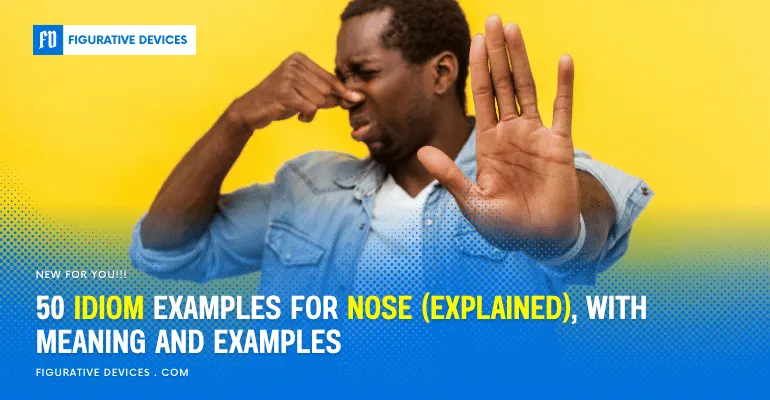

A sharp nose entered the day before the eyes noticed anything: it caught the burned toast in the kitchen, the rain on the pavement, the tension in a meeting room, and the sweet coffee on a crowded desk. From that 1 small ridge of scent, breath, curiosity, pride, and instinct, these 50 fresh nose idioms turn smell, nostrils, sniffing, beaks, snouts, bridges, tips, mouths, and silence into clear figurative language.
What are the idioms for nose?
The idioms for nose are keep a candle under the nose, let the nose read the room, hang a truth on the nose, carry rain in the nostrils, press the nose against tomorrow, put the snout on the signal, leave dust on the nose bridge, count smoke with the nostrils, turn the nose toward proof, and pin a scent to the day.
1. Keep a candle under the nose
Meaning: Stay alert when a small warning appears.
Example: During a warehouse inspection, the manager kept a candle under the nose after noticing 1 warm electrical panel.
Other ways to say: keep the snout awake, keep the beak alert, keep the nostrils open, ignore the mouth noise, turn from chin-deep guessing.
2. Let the nose read the room
Meaning: Use instinct to understand the mood before speaking.
Example: In a board meeting, the project lead let the nose read the room before presenting the budget cut.
Other ways to say: let the snout sense the air, let the nostrils judge the mood, let the beak test the silence, stop mouth-first talking, keep the chin quiet.
3. Hang a truth on the nose
Meaning: Make a fact obvious and hard to deny.
Example: The audit report hung a truth on the nose: 3 invoices had the same approval code.
Other ways to say: place proof on the bridge, put evidence on the beak, set fact near the nostrils, remove mouth-made excuses, pull doubt off the chin.
4. Carry rain in the nostrils
Meaning: Sense trouble before it arrives.
Example: The event planner carried rain in the nostrils when the outdoor stage crew ignored the dark clouds.
Other ways to say: smell weather in the snout, catch storm on the beak, feel damp in the nose, close the mouth to panic, lift the chin from denial.
5. Press the nose against tomorrow
Meaning: Study the near future with intense focus.
Example: The startup founder pressed the nose against tomorrow while reading 90 days of sales data.
Other ways to say: push the snout toward the next step, aim the beak at the forecast, breathe near the future, stop mouth-only planning, move beyond chin-level hope.
6. Put the snout on the signal
Meaning: Focus on the real clue instead of distractions.
Example: The mechanic put the snout on the signal after 1 faint fuel smell came from the engine bay.
Other ways to say: put the nose on the clue, set the beak on the sign, aim nostrils at evidence, ignore mouth chatter, move the chin away from noise.
7. Leave dust on the nose bridge
Meaning: Show signs of hard work or direct involvement.
Example: After 6 hours in the archive, the researcher left dust on the nose bridge and found the missing contract.
Other ways to say: carry grit on the snout, wear work on the beak, mark effort near the nostrils, keep the mouth from boasting, keep the chin out of credit.
8. Count smoke with the nostrils
Meaning: Detect danger from tiny signs.
Example: The security guard counted smoke with the nostrils when a plastic smell drifted near the server room.
Other ways to say: number smoke by nose, measure risk by snout, sniff heat with the beak, stop mouth-made calm, lift the chin from false comfort.
9. Turn the nose toward proof
Meaning: Choose evidence over rumor.
Example: The editor turned the nose toward proof before publishing the claim.
Other ways to say: aim the snout at facts, point the beak to records, breathe near evidence, shut the rumor-mouth, pull the chin from gossip.
10. Pin a scent to the day
Meaning: Attach a clear memory or lesson to an event.
Example: The chef pinned a scent to the day after the first bakery order sold out by 8 a.m.
Other ways to say: mark the morning by nose, fasten memory to the snout, keep aroma on the beak, silence the mouth’s exaggeration, raise the chin with recall.
What are the best idioms for nose?
The best idioms for nose are keep the nose in clean air, give the bridge a compass, let the nostrils vote first, set the beak beside the evidence, wash pride off the nose, keep a straight nose through smoke, follow the scent, not the shout, put 2 nostrils on 1 truth, breathe before the boast, and hold the nose above the fog.
11. Keep the nose in clean air
Meaning: Stay honest and avoid suspicious situations.
Example: The accountant kept the nose in clean air by reporting 1 unexplained payment the same day.
Other ways to say: keep the snout clean, keep the beak clear, keep nostrils away from dirt, close the mouth to crooked deals, keep the chin above fraud.
12. Give the bridge a compass
Meaning: Give instinct a clear direction.
Example: The hiring manager gave the bridge a compass by comparing 5 candidate scorecards before deciding.
Other ways to say: guide the nose, direct the snout, point the beak with purpose, stop mouth-led bias, steady the chin with criteria.
13. Let the nostrils vote first
Meaning: Trust the first strong instinct before analysis confirms it.
Example: The food inspector let the nostrils vote first when 1 sour odor came from the storage fridge.
Other ways to say: let the nose decide early, let the snout speak first, let the beak test the air, delay the mouth’s answer, keep the chin neutral.
14. Set the beak beside the evidence
Meaning: Examine facts closely.
Example: The journalist set the beak beside the evidence before calling the mayor’s office.
Other ways to say: place the nose near proof, put the snout beside records, bring nostrils to facts, quiet the mouth’s guess, lower the chin to documents.
15. Wash pride off the nose
Meaning: Remove arrogance and act with humility.
Example: After the failed product demo, the team lead washed pride off the nose and accepted 7 user complaints.
Other ways to say: rinse the snout of ego, clean the beak of vanity, clear the nostrils of pride, stop mouth-heavy bragging, soften the raised chin.
16. Keep a straight nose through smoke
Meaning: Stay calm during confusion.
Example: The pilot kept a straight nose through smoke during a 12-minute delay announcement.
Other ways to say: hold the snout steady, keep the beak level, breathe evenly through haze, avoid mouth-born panic, keep the chin stable.
17. Follow the scent, not the shout
Meaning: Follow subtle truth instead of loud opinion.
Example: The detective followed the scent, not the shout, and checked the quiet delivery entrance.
Other ways to say: follow the nose, trust the snout trail, track with the beak, ignore the loud mouth, turn from chin-thrown certainty.
18. Put 2 nostrils on 1 truth
Meaning: Give full attention to a single important fact.
Example: The finance team put 2 nostrils on 1 truth: cash flow dropped 18% in 30 days.
Other ways to say: put the whole nose on fact, aim the snout fully, point the beak at one record, stop mouth-scattered debate, keep the chin on target.
19. Breathe before the boast
Meaning: Pause before claiming success.
Example: The sales director breathed before the boast because the client had not signed the contract.
Other ways to say: let the nose pause, let the snout cool, let nostrils settle, shut the mouth before pride, lower the chin before praise.
20. Hold the nose above the fog
Meaning: Keep judgment clear when details feel unclear.
Example: The emergency coordinator held the nose above the fog during 4 conflicting radio reports.
Other ways to say: keep the snout above haze, lift the beak over confusion, breathe past uncertainty, silence the mouth’s alarm, raise the chin above doubt.
What are the funny idioms for nose?
The funny idioms for nose are park the nose in the soup, let the snout wear a crown, tickle the beak of trouble, send the nostrils to school, put mustard on the nose map, make the nose chase crumbs, give the beak a marching band, stuff a rumor in the nostril, let the nose trip over pepper, and teach the snout to knock.
21. Park the nose in the soup
Meaning: Get too involved in a small matter.
Example: During lunch service, the supervisor parked the nose in the soup over 1 missing spoon.
Other ways to say: stick the snout in broth, dip the beak in details, push nostrils too close, keep the mouth out of meddling, pull the chin from the bowl.
22. Let the snout wear a crown
Meaning: Act overly proud about being right.
Example: After guessing the score, the analyst let the snout wear a crown for the next 2 meetings.
Other ways to say: crown the nose, decorate the beak, parade the nostrils, stop the mouth from bragging, lower the royal chin.
23. Tickle the beak of trouble
Meaning: Provoke a problem for no good reason.
Example: The intern tickled the beak of trouble by joking about the broken printer during the audit.
Other ways to say: poke the nose of risk, tease the snout of chaos, itch the nostrils of trouble, keep the mouth from poking, move the chin from danger.
24. Send the nostrils to school
Meaning: Learn through direct experience.
Example: The trainee sent the nostrils to school by spending 1 full shift in the coffee roastery.
Other ways to say: educate the nose, train the snout, teach the beak, stop mouth-only learning, put the chin in practice.
25. Put mustard on the nose map
Meaning: Make a simple plan too dramatic.
Example: The picnic organizer put mustard on the nose map with a 9-step sandwich layout.
Other ways to say: stain the snout plan, spice the beak chart, splash nostrils with drama, close the mouth on theatrics, keep the chin practical.
26. Make the nose chase crumbs
Meaning: Waste effort on tiny clues.
Example: The analyst made the nose chase crumbs for 3 hours instead of reading the complete report.
Other ways to say: send the snout after bits, make the beak hunt scraps, make nostrils trail dust, stop mouth-led overthinking, lift the chin to the full file.
27. Give the beak a marching band
Meaning: Overannounce a minor discovery.
Example: The technician gave the beak a marching band after finding 1 loose cable.
Other ways to say: parade the nose, drum for the snout, trumpet the nostrils, close the mouth on noise, keep the chin modest.
28. Stuff a rumor in the nostril
Meaning: Believe gossip too quickly.
Example: The locker-room group stuffed a rumor in the nostril before the coach posted the official lineup.
Other ways to say: feed gossip to the nose, pack hearsay in the snout, jam talk into the beak, seal the mouth against rumor, pull the chin from whispers.
29. Let the nose trip over pepper
Meaning: React wildly to a small irritation.
Example: The customer let the nose trip over pepper when the receipt printed 1 minute late.
Other ways to say: let the snout stumble, let the beak sneeze at nothing, make nostrils overreact, quiet the mouth’s complaint, steady the chin.
30. Teach the snout to knock
Meaning: Learn to ask before entering someone else’s business.
Example: The junior manager taught the snout to knock after interrupting 2 private salary discussions.
Other ways to say: train the nose to pause, teach the beak manners, make nostrils wait, close the mouth before entry, keep the chin outside.
What are the short idioms for nose?
The short idioms for nose are nose on proof, snout in line, beak to facts, nostrils awake, nose above smoke, snout off gossip, beak before boast, nose near truth, nostrils over noise, and bridge stays clean.
31. Nose on proof
Meaning: Focus on verified evidence.
Example: The compliance officer kept nose on proof while reviewing 24 expense claims.
Other ways to say: snout on records, beak on facts, nostrils on evidence, mouth off rumor, chin off guesswork.
32. Snout in line
Meaning: Keep behavior controlled and disciplined.
Example: The factory crew kept snout in line during the safety drill.
Other ways to say: nose in order, beak in place, nostrils under control, mouth in check, chin down.
33. Beak to facts
Meaning: Go directly to the facts.
Example: The lawyer went beak to facts and opened the signed agreement first.
Other ways to say: nose to evidence, snout to proof, nostrils to records, mouth away from spin, chin toward documents.
34. Nostrils awake
Meaning: Alert and observant.
Example: The night guard stayed nostrils awake after 2 alarms misfired.
Other ways to say: nose alert, snout sharp, beak ready, mouth quiet, chin watchful.
35. Nose above smoke
Meaning: Clear-headed in confusion.
Example: The hospital coordinator kept nose above smoke during a 40-patient intake rush.
Other ways to say: snout above haze, beak over fog, nostrils clear, mouth calm, chin steady.
36. Snout off gossip
Meaning: Avoid rumors.
Example: The coach kept snout off gossip until the injury report arrived.
Other ways to say: nose off whispers, beak away from hearsay, nostrils clear of rumor, mouth closed, chin out of chatter.
37. Beak before boast
Meaning: Check reality before celebrating.
Example: The developer used beak before boast and tested the app on 3 devices.
Other ways to say: nose before pride, snout before applause, nostrils before praise, mouth before silence, chin before humility.
38. Nose near truth
Meaning: Close to discovering the real answer.
Example: The data team had nose near truth after finding 1 repeated tracking error.
Other ways to say: snout near proof, beak near fact, nostrils near answer, mouth near silence, chin near certainty.
39. Nostrils over noise
Meaning: Trust quiet signs over loud distractions.
Example: The paramedic chose nostrils over noise and checked the faint gas smell first.
Other ways to say: nose over shouting, snout over chatter, beak over noise, mouth under control, chin above panic.
40. Bridge stays clean
Meaning: Reputation remains honest.
Example: The treasurer’s bridge stays clean because every receipt has a matching record.
Other ways to say: nose stays clean, snout stays clear, beak stays honest, mouth stays accountable, chin stays level.
What are the long idioms for nose?
The long idioms for nose are keep the nose close enough to smell the small mistake, let the nostrils find the leak before the ceiling complains, put the beak where the paperwork smells weakest, carry the snout through smoke without borrowing panic, and hold the nose steady when every mouth sells certainty.
41. Keep the nose close enough to smell the small mistake
Meaning: Monitor details closely enough to catch early errors.
Example: The pharmacist kept the nose close enough to smell the small mistake and caught 1 mislabeled bottle before pickup.
Other ways to say: keep the snout near the flaw, keep the beak near the error, keep nostrils near the detail, keep the mouth from assuming, keep the chin near the checklist.
42. Let the nostrils find the leak before the ceiling complains
Meaning: Solve a hidden issue before it becomes visible damage.
Example: The building manager let the nostrils find the leak before the ceiling complained by checking the damp storage wall.
Other ways to say: let the nose catch seepage early, let the snout find trouble first, let the beak detect dampness, stop the mouth from delaying, keep the chin from ignoring signs.
43. Put the beak where the paperwork smells weakest
Meaning: Investigate the least credible document first.
Example: The auditor put the beak where the paperwork smells weakest and reviewed the 2 unsigned purchase orders.
Other ways to say: put the nose on weak records, point the snout at shaky forms, aim nostrils at thin proof, keep the mouth away from excuses, lower the chin to the file.
44. Carry the snout through smoke without borrowing panic
Meaning: Stay composed while others overreact.
Example: The fire marshal carried the snout through smoke without borrowing panic during the office evacuation drill.
Other ways to say: keep the nose calm in haze, walk the beak through confusion, breathe steady through the nostrils, keep the mouth from alarm, keep the chin from shaking.
45. Hold the nose steady when every mouth sells certainty
Meaning: Stay skeptical when everyone claims to be sure.
Example: The investment analyst held the nose steady when every mouth sold certainty about a risky stock.
Other ways to say: keep the snout skeptical, hold the beak level, keep nostrils testing the air, distrust the loud mouth, keep the chin measured.
What are the idioms for nose & idioms for mouth?
The idioms for nose and mouth are let the nose smell what the mouth cannot prove, keep the mouth shut until the nose finds smoke, put the nose on truth and the mouth on pause, when the nose catches rot, the mouth drops polish, and give the nose 2 breaths before the mouth gives 1 answer.
46. Let the nose smell what the mouth cannot prove
Meaning: Allow instinct to notice what speech cannot yet explain.
Example: The recruiter let the nose smell what the mouth could not prove when a candidate’s polished answer missed 3 basic role details.
Other ways to say: let the snout sense beyond speech, let the beak test the claim, let nostrils check the talk, keep the mouth from pretending, keep the chin from nodding too fast.
47. Keep the mouth shut until the nose finds smoke
Meaning: Avoid speaking until evidence appears.
Example: The warehouse supervisor kept the mouth shut until the nose found smoke, then ordered an electrical check.
Other ways to say: keep the nose searching first, keep the snout ahead of speech, keep the beak before words, close the mouth before proof, steady the chin before judgment.
48. Put the nose on truth and the mouth on pause
Meaning: Investigate before commenting.
Example: The school administrator put the nose on truth and the mouth on pause before responding to a parent complaint.
Other ways to say: put the snout on facts, place the beak on evidence, aim nostrils at reality, rest the mouth, hold the chin still.
49. When the nose catches rot, the mouth drops polish
Meaning: Once a hidden problem appears, smooth talk loses power.
Example: During the restaurant inspection, when the nose caught rot, the mouth dropped polish and the owner opened the storage records.
Other ways to say: when the snout finds decay, speech loses shine; when the beak smells trouble, talk turns thin; when nostrils catch spoilage, the mouth loses gloss; when the chin lowers, honesty rises.
50. Give the nose 2 breaths before the mouth gives 1 answer
Meaning: Pause and observe before responding.
Example: In a conflict meeting, the team lead gave the nose 2 breaths before the mouth gave 1 answer, then solved the issue in 10 minutes.
Other ways to say: let the snout breathe first, let the beak wait, let nostrils count before words, keep the mouth delayed, keep the chin calm.